 Picture: Roy Tan


Can-Can continues at the Union Theatre, London until 9 March 2019.
Star rating: three stars ★ ★ ★ ✩ ✩
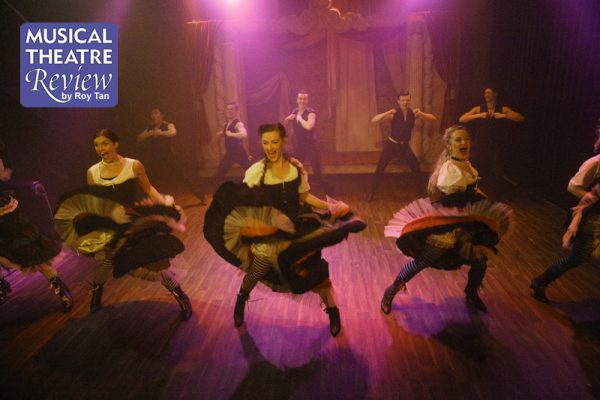
If the story of Orpheus in the Underworld isn’t known to you, the riotous ‘Infernal Galop’ from Jacques Offenbach’s equally riotous 1858 opéra buffonof the same name will surely ring a bell. Better known as the ‘Can-Can’, this energetic skirt-lifting, petticoat-baring dance lends its name to a new musical at London’s Union Theatre.
Conceived by Phil Willmott, Can-Can takes as its inspiration a story from the English fin de siècle playwright Arthur Wing Pinero and puts it to the music of Offenbach and his contemporaries. It’s an exploding-dressing-up-box of a show, bursting with colour and light and music that, if you’re in the right frame of mind is a fun, frivolous night out at the music hall… and, if not, is a messy, outdated reheating of a tired old genre.
I’m somewhere in the middle. Like a musical Jurassic Park, Can-Can attempts to bring back from the dead various extinct species. But just because you can doesn’t mean you should. Offenbach and his ilk – Johann Strauss II, Franz Lehar, Sigmund Romberg, Rudolf Friml, Charles K Harris – are plundered for tunes, and to be fair, Willmott does choose well. ‘After the Ball’, ‘A Bird in a Gilded Cage’, ‘Barcarolle’ are all lovely numbers.
The question is, do these kinds of song have any currency with modern audiences? Even when, as is the case with Can-Can, reworked and rewritten with new lyrics? I’m not convinced. And especially not when they’re emulsified with a book as old-fashioned and as corny as the shows from which these songs originate.
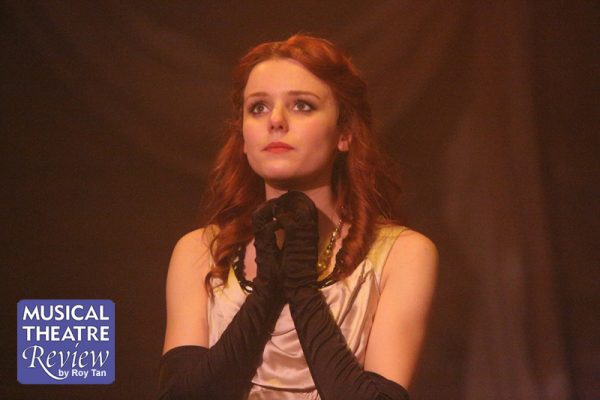
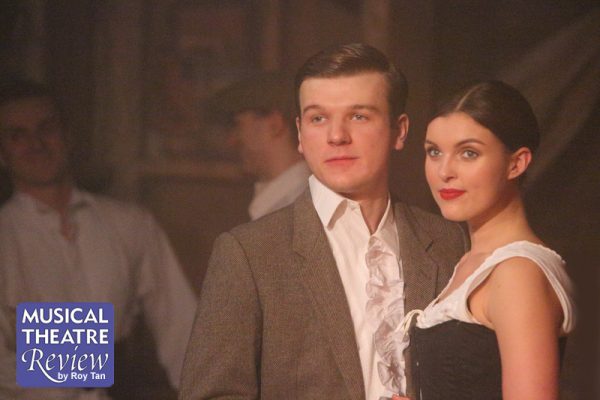
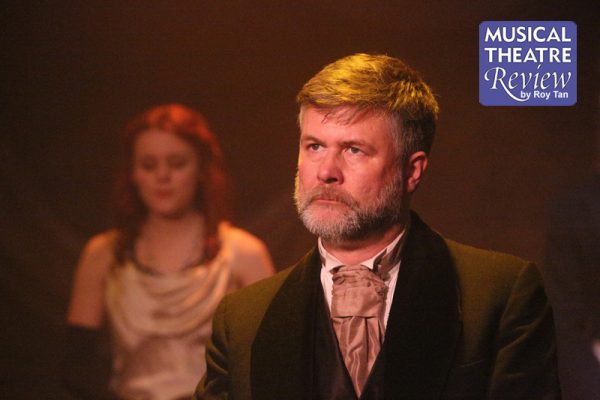
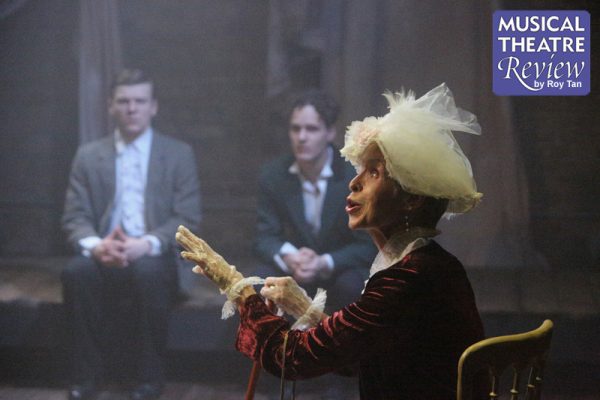
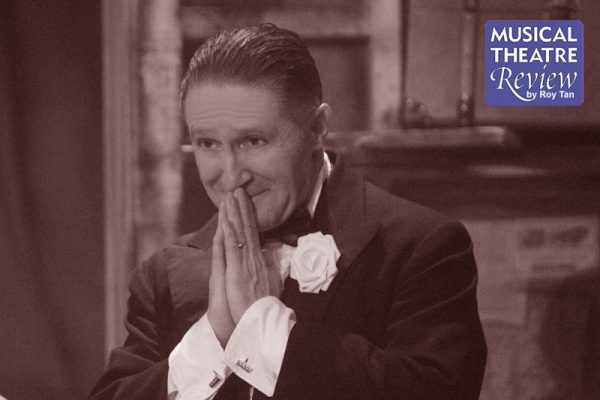
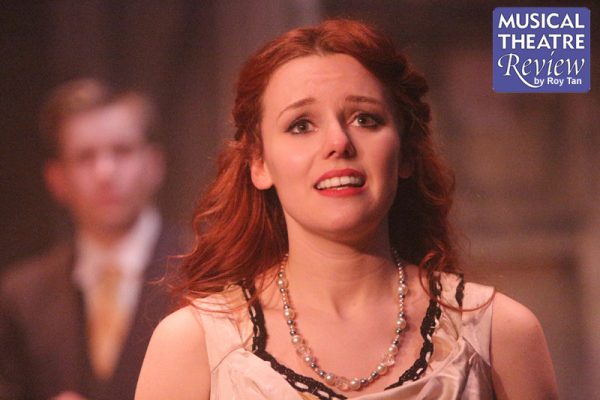
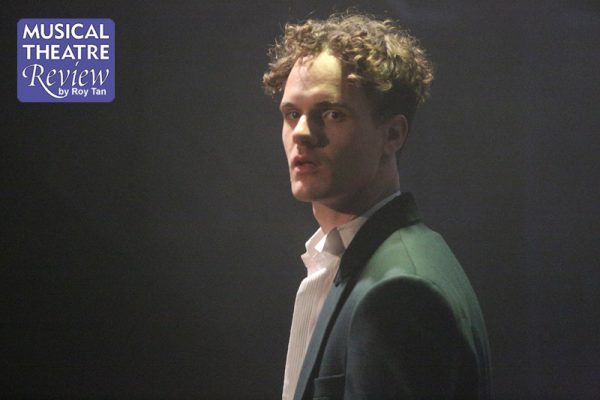
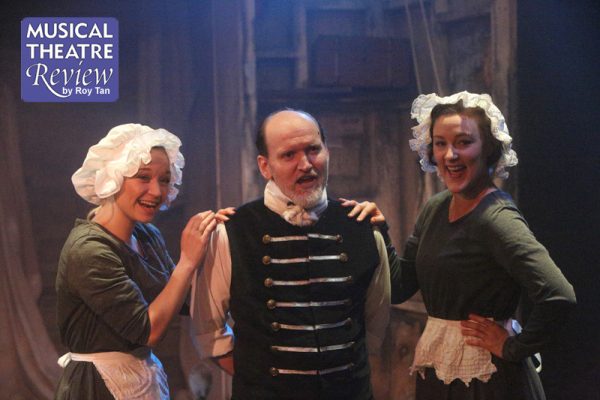
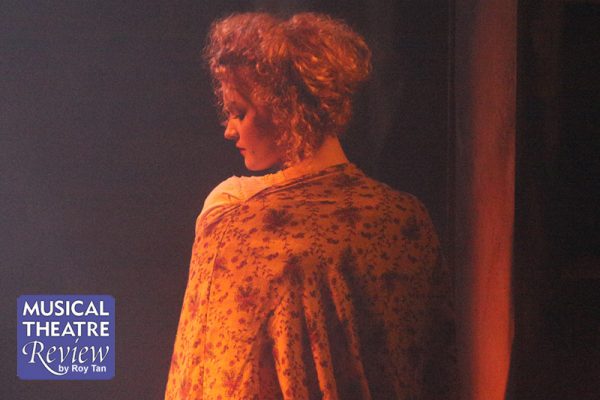
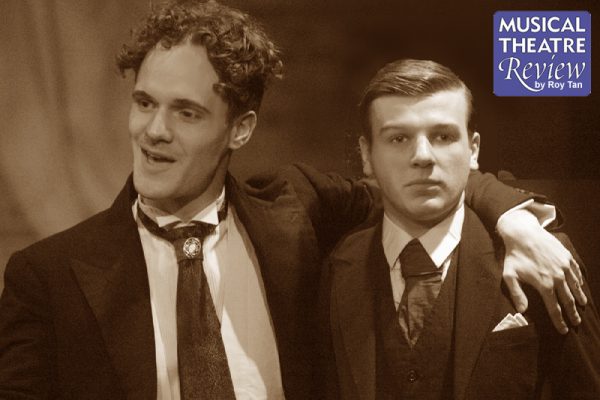
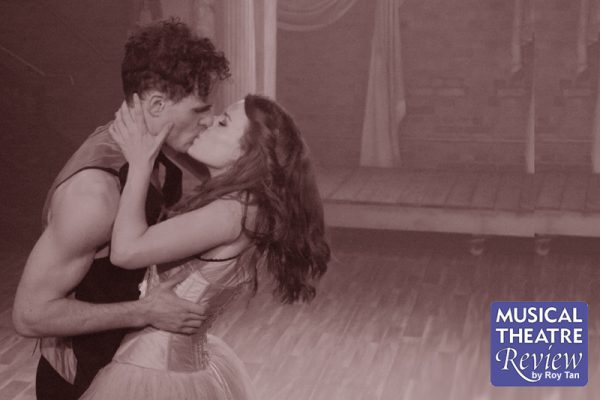
The book follows the plot of Pinero’s Trelawny of the ‘Wells’, but uproots it and sets it in turn-of-the-century Paris. A struggling troupe of actors at the Orpheus Theatre clash with the patriarch of the well-to-do Bontoux family (Phil Willmott) when their leading lady Jane (Kathy Peacock, who really is the star of the show) agrees to marry Bontoux’s showbiz-loving son Christian (Damjan Mrackovich).
Unimpressed with Jane’s pedigree, Bontoux arranges to buy their beloved theatre in order to… well, I’m not sure really, doesn’t matter… but he buys the theatre and the troupe are cast into the provinces to perform for turnip farmers. Act II then requires the various loose ends to be re-tied and all’s well that ends well.
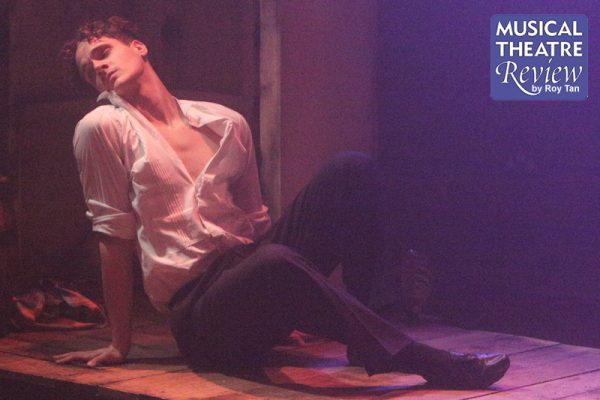
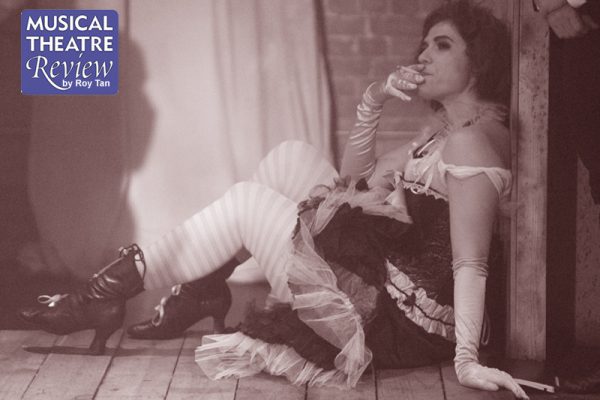
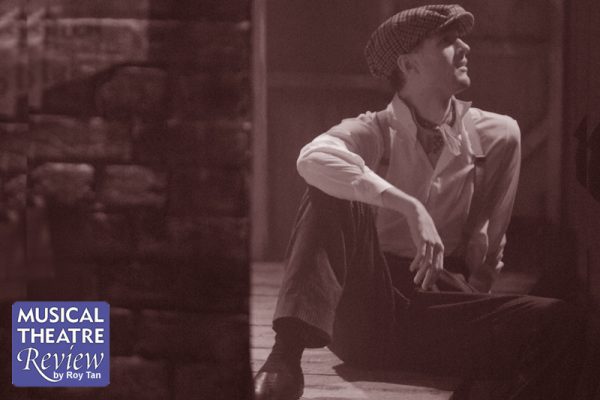
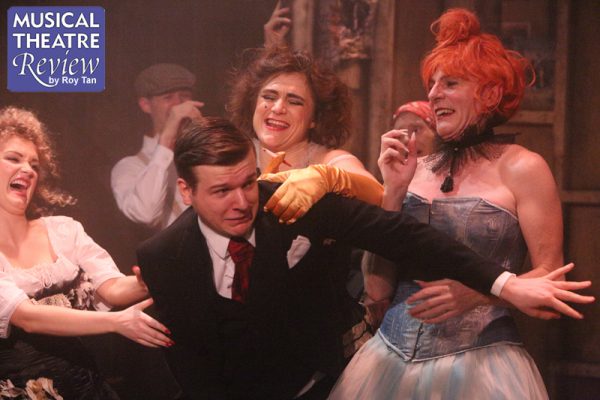
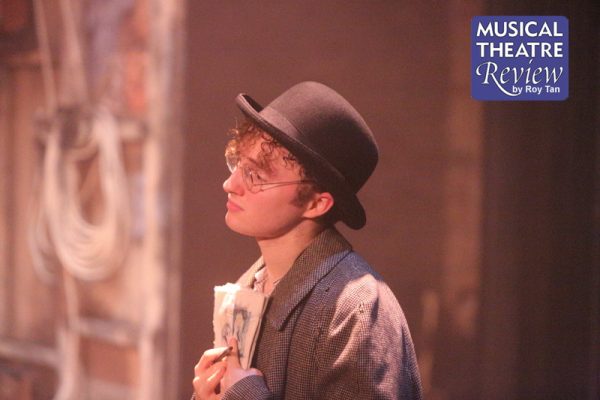
Interestingly, some of the characters are historical figures – Henri Toulouse-Lautrec (Jordan Nesbitt) is ever-present with his sketchpad, Offenbach (Sam Woods) leads the pit orchestra while struggling to complete his magnum opus, and, most intriguing of all, La Goulue is a core member of the group, re-envisioned as the Drag Queen of Montmartre (the highly entertaining PK Taylor).
Even the Bontoux are real, inspired by the founders of the Union Générale Bank. So, the ingredients are there for an interesting story about that most fascinating period of history, but Willmott has instead opted for a larger-than-life Moulin Rouge-esque fantasy.
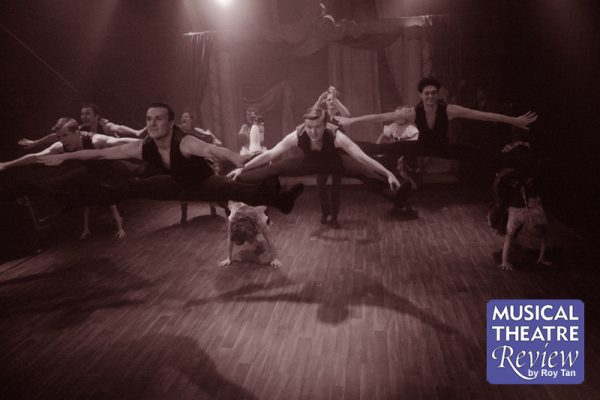
Luckily, the cast are all top notch and really blow the dust off this decrepit material. The dancing is particularly good – by far the best part of the show – so all credit to Adam Haigh for the fabulous choreography. Indeed, this is almost a dance show, and might have actually worked better as a movement piece.
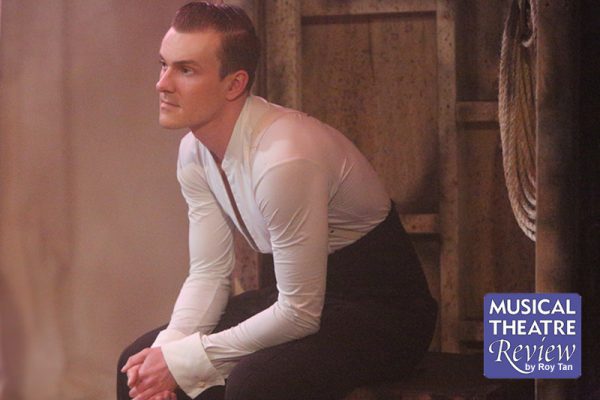
Sitting in the front row is almost high risk, as wave after wave of Can-Can girls and pirouetting boys leap ever closer. Brava Emily Barnett-Salter as the vulgarian Yvette, and Callum Mills, making his debut, jumps out – quite literally.
The opening and closing of Act I, and the inevitable galop ending, are all wonderfully staged – to recorded orchestral music – evoking the chaos of backstage life. (Well, the end of Act I, a Keystone Gendarmerie sequence set to Zequinha de Abreu’s ‘Tico-Tico’, is bonkers but high-spirited fun.)
The mix of recorded and live music is a little odd but used consistently. Rosa Lennox, credited as musical director, does a fine job on the piano and squeezebox, although I’d’ve done without the rather tuneless cello, which is played by Corinna Marlowe, who otherwise does a lovely job portraying the troupe’s Russian wardrobe mistress Madame Olga and the Bontoux family’s Countess Aunt.
Forget Jurassic Park… The best description of the show is a chocolate box that’s lost its instructions (or whatever one calls the dramatis personae of a chocolate box). It’s a mixed confection with a wide range of often mismatching flavours – some you’ll like, some you won’t. But it’s also quite an old box, like something loaded with sickly-sweet liqueurs that your great aunt might have forced on you as a child.
It’s interesting to note that Can-Can coincides with the return of Sondheim’s Follies to the National, where music from this period is parodied with much affection and intelligence, but also darkness. You can consider Can-Can the flipside of Follies – in more ways than one – so if you’re happy to check your brain in and enjoy a light-hearted night out, then head to the Union instead.
Craig Glenday
SHARE THIS POST:


Comments are closed.